336 homes.Ten buildings.One management desk.
From the first lease to a leaking tap. See how one team looks after homes, listens to residents and keeps owners in the picture.
 ↗
 ↗
 ↗
 ↗
 ↗
 ↗
 ↗
 ↗
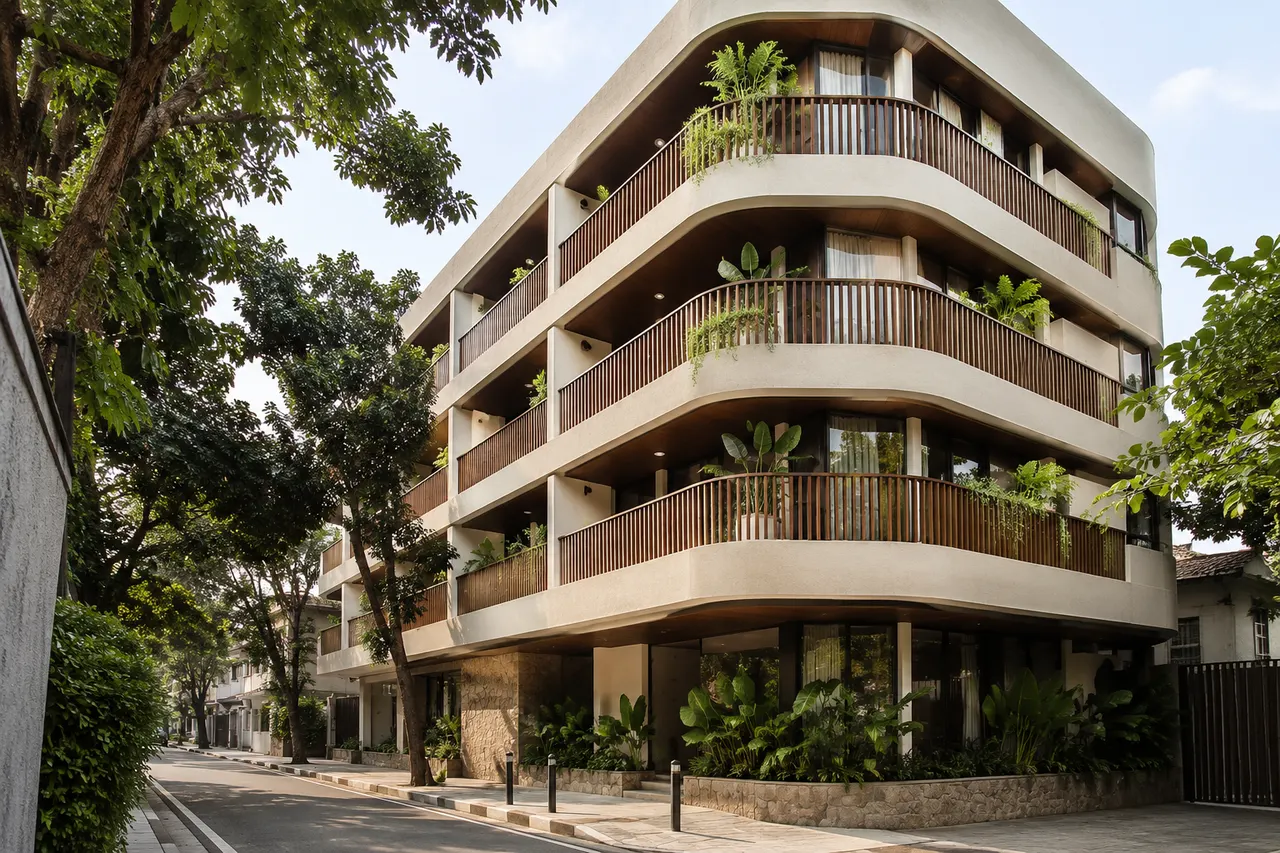 ↗
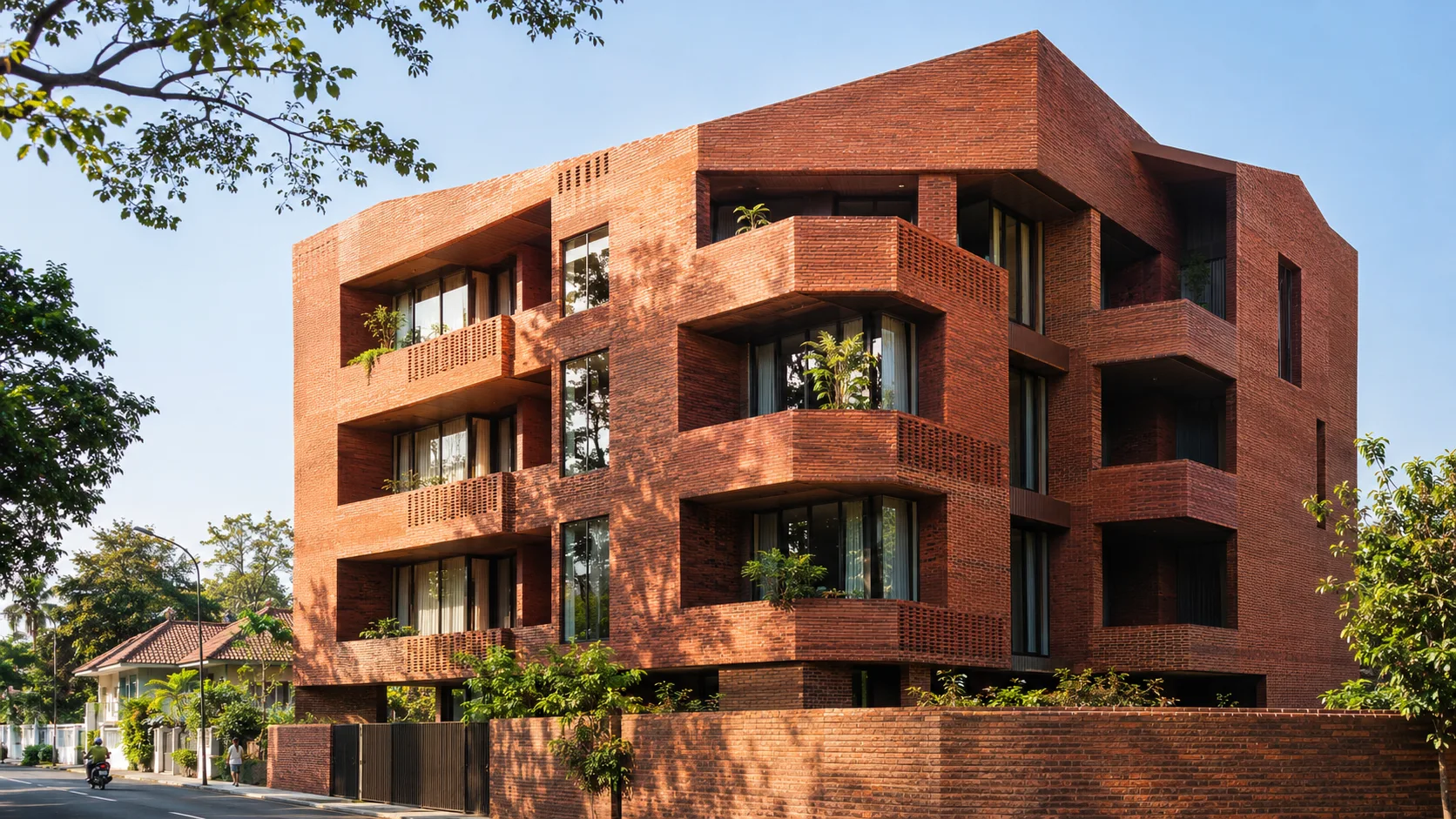 Teras Bata ↗
From the field desk
A building’s story starts when people move in.
At Teras Bata, residents, couriers and technicians share a corridor. Open the building section to see how the team keeps track of what each person needs.
Explore Teras Bata About the studioScope of work
Six services,
one workflow.
Choose a service to see who takes part, when it happens and what the owner receives.
All servicesLeasing
From the first viewing to the handover of keys.
Rent and bookkeeping
One record for invoices, receipts and expenses.
Repairs
From a resident’s request to the completed repair.
Inspections
Field observations that anyone can trace.
Permits and documents
Files organised by due date and person responsible.
Owner reports
A monthly summary for the decisions ahead.
Monthly simulator
How much time does an owner get back?
Adjust the number of homes to compare time spent keeping records with time spent reviewing one summary.
Illustrative assumptions: 20 minutes of record keeping per home each month and 1 hour to review a consolidated report.
Field calendar / 01—12
A year in the field.
Select a month to open a sample maintenance agenda.
January
Wet-weather walkways
Walk the corridors after rain. Mark standing water on the plan so the technician can locate the same spot.
February
Rainwater drainage
Compare last month’s notes with the condition of downpipes and courtyards.
March
Shared lighting
Walk the building at dusk. Record failed lights by floor and corridor.
April
Unit handovers
Update the key register and document the condition of each home with its new resident.
May
Garden paths
Review paving, tree cover and lighting on residents’ walking routes.
June
Midyear review
Compare completed work with the budget and agree on the next maintenance priorities.
July
Façade maintenance
Group photos of joints, paint and screens by elevation for the technician’s visit.
August
Shared rooms
Review the booking calendar, the condition of furniture and feedback from residents.
September
Preparing for rain
Set out a checklist covering roofs, gutters, thresholds, corridors and storage rooms.
October
Maintenance follow-up
Revisit repaired areas. Attach the before and after photographs to the same job record.
November
Lease renewals
Check lease end dates so residents and owners have time to plan.
December
Year-end records
Bring together rental records, maintenance notes and decisions to carry into the new year.
Journal
Field notes.
For owners and residents
Common questions.
What does an owner receive each month?
A summary of rent received, expenses, vacant homes and open jobs. Decisions that need the owner’s approval are listed separately.
What happens when a resident reports a fault?
The manager records the location and symptoms, agrees access and schedules a technician. Residents receive updates when a visit is booked or findings are available.
How are management fees worked out?
The scope is agreed based on home count, initial condition and visit frequency. Third-party costs are identified separately for the owner’s approval.
Can I book one of these properties?
This collection is a design study by Tata Kelola Digital. Explore the buildings and management workflows as examples, then prepare a project brief on the contact page.